
Calcium Hypochlorite, commonly known in the market as 70% chlorine powder or granules, is one of the most widely used disinfectants in the world. It is essential for drinking water treatment, wastewater disinfection, industrial sanitation, swimming pools, cooling towers, hospitals, and food-processing industries. Due to its high available chlorine content, long shelf life, and strong oxidation power, Calcium Hypochlorite has become the preferred choice for many industries seeking reliable and cost-effective disinfection.
Introduction to Calcium Hypochlorite (70% Chlorine)
Calcium Hypochlorite (Ca(ClO)₂) is a strong oxidizing compound produced by reacting chlorine with calcium hydroxide. The product is typically manufactured in powder or granular form with an available chlorine content of 65% to 70%, making it one of the strongest solid disinfectants on the market.
Common Commercial Names Include:
Calcium Hypochlorite 70%
Chlorine 70%
High-test hypochlorite (HTH)
Bleaching powder (industrial grade)
Its ability to release hypochlorous acid (HOCl), a powerful disinfecting agent, makes it very effective in killing bacteria, viruses, fungi, algae, and organic contaminants.
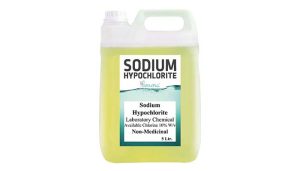
Technical Specifications of Calcium Hypochlorite 70%
Typical Industrial Grade Specifications:
Available Chlorine: 65–70%
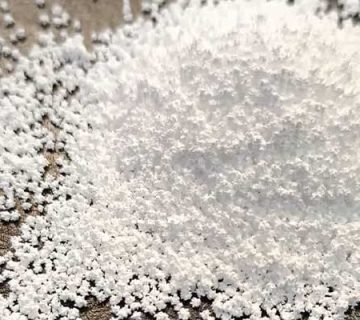
Physical Form: White or off-white granular/powder
Solubility: 20–25 g/L at 25°C
pH (1% solution): 10–12
Moisture Content: <5%
Odor: Strong chlorine smell
Decomposition: Releases oxygen and chlorine slowly over time
The high chlorine concentration ensures strong disinfecting performance even at low dosages.
How Calcium Hypochlorite Works (Oxidation Mechanism)
When dissolved in water, Calcium Hypochlorite releases hypochlorous acid (HOCl) and hypochlorite ions (OCl⁻):
Ca(ClO)₂ + 2H₂O → 2HOCl + Ca(OH)₂
Hypochlorous acid is 100 times more effective than hypochlorite ions and immediately destroys:
Bacteria
Viruses
Parasites
Algae
Organic matter
This makes Ca(ClO)₂ a reliable disinfectant for high-demand environments such as municipal water treatment and industrial processes.
Key Applications of Calcium Hypochlorite (70% Chlorine)
Drinking Water Treatment (Municipal & Industrial)
Calcium Hypochlorite is widely used to disinfect drinking water due to:
High chlorine availability
Long-term stability
Ease of transportation compared to liquid chlorine
Typical dosage:
1–3 ppm for municipal water
3–10 ppm for emergency disinfection
It effectively removes pathogens ensuring safe potable water.
 Wastewater Treatment
Ca(ClO)₂ is used for:
Final effluent disinfection
Odor control
Reducing BOD and COD
Removing pathogens before discharge
Typical dosage:
5–15 ppm depending on organic load
Swimming Pools and Recreational Water
Calcium Hypochlorite is the preferred disinfectant for swimming pools because it:
Does not evaporate like liquid chlorine
Provides long-term residual chlorine
Prevents algae, fungi, and bacteria growth
Typical pool dosage:
2–4 ppm free chlorine maintained daily
10–15 ppm for shock treatment
Industrial and Petrochemical Applications
Used in:
Cooling tower disinfection
Process water treatment
Removing odors from industrial wastewater
Textile bleaching
Food and beverage sanitation
Odor and algae control in industrial reservoirs
Agriculture and Food Industry
Applications include:
Sanitizing irrigation water
Disinfecting food-contact surfaces
Washing fruits and vegetables
Typical disinfection concentrations range from 50 to 200 ppm depending on application.
Advantages of
Calcium Hypochlorite (70%) Over Other Disinfectants
Higher Chlorine Content (65–70%)
Gives stronger performance compared to sodium hypochlorite (12–15%).
Long Shelf Life
Solid form is stable for 1–3 years under proper storage.
Easy Transportation & Storage
Unlike liquid chlorine, it does not require pressurized containers.
Safer than Gas Chlorine
Does not produce explosive gas under normal storage conditions.
Cost Effective
Provides more available chlorine per kilogram, reducing operational costs.
Multi-Industry Usage
Suitable for water treatment, sanitation, agriculture, industrial processes, and pools.
How to Use Calcium Hypochlorite (Dosing Instructions)
Preparation of Stock Solution
Use clean, room-temperature water.
Dissolve 10–20 grams of Ca(ClO)₂ per liter to create a concentrated stock solution.
Mix gently until fully dissolved.
Avoid metallic containers.
Drinking Water Disinfection
For municipal use:
Add 1–3 mg/L (ppm) of available chlorine.
For emergency or contaminated water:
Add 5–10 ppm.
Wastewater Disinfection
Typical range:
5–15 ppm
Higher organic loads require increased chlorine dosage.
Swimming Pools
Maintain daily 2–4 ppm free chlorine.
Shock dose: 10–15 ppm weekly.
Cooling Towers & Industrial Water
Maintain 1–5 ppm residual chlorine.
For heavy contamination: 10–20 ppm shock treatment.
Storage and Handling Guidelines
Calcium Hypochlorite is highly reactive and must be stored correctly.
Storage Recommendations
Keep in a cool, dry, well-ventilated area.
Avoid heat, sunlight, and moisture.
Store away from organic materials, fuels, acids, and metal powders.
Use original packaging.
Handling Safety
Wear gloves, masks, and goggles.
Do not mix with other chemicals.
Avoid skin and eye contact.
Keep away from children and unauthorized personnel.
Shelf Life
Up to 36 months under proper conditions.
Common Mistakes to Avoid When Using Calcium Hypochlorite
Storing the product in a humid environment
Mixing with other disinfectants
Using metal containers
Applying excessive dosage without proper testing
Direct inhalation of powder
Exposing product to sunlight or high temperature
Avoiding these mistakes ensures maximum efficiency and safety.
Environmental Effects
Calcium Hypochlorite decomposes into:
Chloride ions
Oxygen
Calcium compounds
At recommended dosages, it is environmentally safe and commonly accepted for:
Drinking water
Municipal wastewater
Irrigation water
However, overdosing can cause temporary increases in chlorine residual, which must be controlled.
Why Many Industries Prefer Calcium Hypochlorite 70%
Reliable disinfectant for high-demand environments
Lower transportation risks
Higher chlorine strength compared to liquid bleach
Longer stability and storage life
Effective in killing resistant pathogens
Cost-effective for large-scale operations
These features make Ca(ClO)₂ a leading choice in global water treatment markets.
Conclusion
Calcium Hypochlorite (70% Chlorine) is an essential disinfectant used worldwide in water treatment, industry, agriculture, and sanitation. Its high chlorine content, excellent stability, strong oxidation power, and broad-spectrum antimicrobial activity make it a superior alternative to other chlorine-based products. When used properly—following recommended dosages, safety guidelines, and storage instructions—it delivers exceptional performance, reduces operational costs, and ensures safe, clean water for municipal, industrial, and commercial use.
If you need this article rewritten specifically for your company website (Andisheh Mehr Aray Sepahan) with product descriptions, internal links, keywords, and call-to-action sections, I can optimize it fully for your website structur
No comment