
Poly Electrolytes are widely used today as essential coagulants and flocculants in industrial water treatment, municipal wastewater plants, petrochemical facilities, sludge dewatering units, and sedimentation systems. Although many specialists can identify the correct type of poly electrolyte for their process, the real challenge lies in how to apply the product correctly. Incorrect usage leads to material wastage, lower efficiency, increased TSS, poor sludge formation, and higher operational costs.
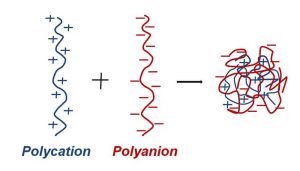
Difference Between Cationic and Anionic Poly Electrolytes
Cationic Poly Electrolyte
Used in:
Municipal and industrial wastewater
Sludge dewatering equipment (filter press, centrifuge, belt press)
Wastewater containing organic and negatively charged particles
Anionic Poly Electrolyte
Used in:
Sedimentation and flocculation
Paper, textile, and steel industries
Wastewater with mineral particles carrying a positive charge
This article focuses only on “how to use” the product, not on choosing the product.
How to Use Poly Electrolytes – Practical Instructions
Preparing the Poly Electrolyte Solution
Preparing a proper stock solution is the most critical step. Poly electrolytes are lightweight powders and if not dissolved properly, they form lumps and lose efficiency.
Standard Solution Concentration
Powder product: 0.1% to 0.5%
(100–500 g per 100 liters of clean water)
Correct Preparation Steps
Fill a clean tank with water (preferably 25–35°C).
Turn on the mixer at low speed.
Sprinkle the powder slowly over the vortex surface.
Mix gently for 30–45 minutes.
Allow the solution to mature for 30 minutes before injection.
Golden Rule: Immediate use of fresh solution reduces floc strength and increases chemical consumption.
Determining the Proper Dosing Rate
The dosage varies depending on COD, TSS, suspended solids type, organic load, and system design.
Typical Consumption Range
Cationic: 0.5–3 g/m³
Anionic: 1–5 g/m³
Dosing Procedure
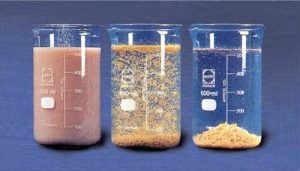
Conduct a Jar Test.
Start with the lowest feasible dose.
Increase step-by-step until optimum floc formation appears.
Adjust dosage daily depending on wastewater quality.
Application in Different Treatment Units
Sedimentation (Clarifier)
How to Apply:
Inject anionic solution into the rapid-mix line.
Provide 30–60 seconds of gentle agitation.
Avoid high shear mixers.
Adjust dose if outlet turbidity increases.
Correct Usage Indicators:
Lower TSS
Strong flocs
Reduced alum or ferric consumption
Filter Press & Sludge Dewatering
Cationic poly electrolytes are ideal for sludge dewatering units.
Usage Steps
Prepare a 0.1–0.3% solution
Start with a low injection rate
Inspect the filter press cake
Adjust dose until cake is solid and uniform
Signs of Correct Dosing
Higher dewatering speed
Drier cake
AXReduced sludge volume
Incorrect Dosing Signs
Sticky and soft cake
Cloth clogging
High chemical waste
Application in Petrochemical and Industrial Plants
Usage Method
Perform a jar test to determine charge type
Choose the right injection point
Adjust pH beforehand
Monitor floc behavior in contact tank
Use in DAF Systems
Proper Usage:
Inject cationic solution after primary coagulants
Allow 20–40 seconds of contact time
Adjust air flow
Observe floating flocs formation
Common Mistakes in Using Poly Electrolytes
High mixer speed
Over-concentrated solution
Direct injection of powder into the system
Neglecting jar test after wastewater changes
Using the chemical without pH adjustment
Safety Recommendations
Use gloves, goggles, and a mask
Avoid contact with eyes
Store solution less than 24 hours
Add powder in a wind-free area
Performance Optimization Tips
Prepare fresh solution
Clean dosing lines regularly
Review dose weekl
Use high
molecular weight grades for oily wastewater
Always request a sample before mass purchase
Conclusion
Correct solution preparation, dosing control, injection point selection, and contact time significantly improve performance. Proper usage results in:
Lower treatment costs
Faster sedimentation
Cleaner effluent
Higher dewatering performance

No comment