
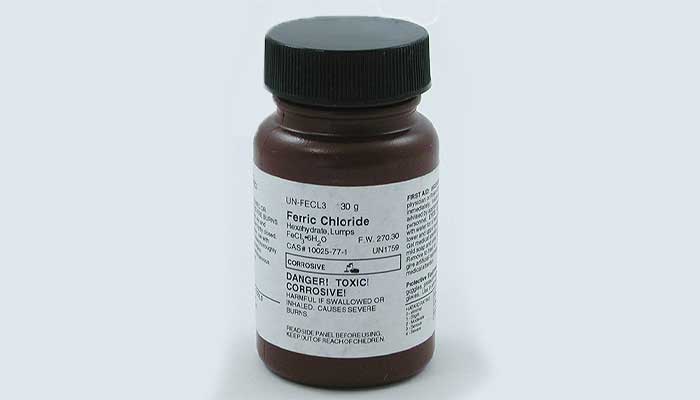
What is ferric chloride?
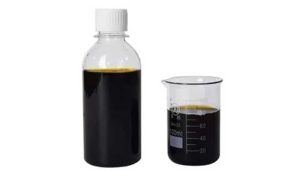
This substance, scientifically known as iron (III) chloride, is a widely used coagulant in industry. With the chemical formula FeCl3, it hydrolyzes in water. A deep brown solution that is used during the coagulation process in water purification and wastewater regeneration.
To find out the Ferric chloride price produced by Andisheh Mehraray Company in Sepahan, call 03137779443.
This material is one of the most common and widely used coagulants that can be used in the water and wastewater industry in Iran. Chloroferric is the cheapest and most common coagulant used to coagulate suspended particles and perform the flocculation process. The flocs produced by this material are higher than other coagulants due to the molecular mass of iron. The price of chloroferric at Andisheh Mehrara Sepahan Company is competitive and appropriate.
Generally, the color spectrum of the total sediment produced by coagulation with this substance is light brown. Over time, the iron element in the sediment produced reacts with oxygen when exposed to air.
In the following way, it tends to be light brown to reddish. In other words, iron oxidation causes the sediments to become hematite. When the salinity of the sediments left after flocculation with this substance is not high, these sediments can be used as fertilizer in fields that need iron fertilizer.
How to create ferric chloride and how it works in water
The best way to produce and produce this chemical is to use scrap galvanized sheets and hydrochloric acid. The galvanized sheets used in the production of this material must be free of any chemicals, including grease and paint. If this material is used to coagulate suspended particles in water, it causes chemical and organic pollution. Generally, when the amount of salts in the water (TDS), EC and PH are greater than certain values.
Anionic and cationic coagulants, which are called polyelectrolytes or polyacrylamides, and flocculants, should be used. Polyelectrolytes cause larger and heavier flocs to form from the flocculation of colloids.
The rate and speed of water clarification and transparency also increase. The amount of ferric chloride and flocculants used to flocculate colloidal suspended particles varies depending on the physical and chemical characteristics of the water.
Depending on the specific quantities and quality of the effluent water, one of the coagulants ferric chloride, polyaluminum chloride, and aluminum sulfate can be used. If the expected clarity is not achieved and the fine colloidal particles are not removed, polyelectrolyte is used to improve the above materials.
Types of polyacrylamides include anionic, cationic, and nonionic. Sepahan Andisheh Mehrara Company, under the Amas brand, has also included the creation of these materials in its work order in order to complete its product portfolio, and is active and bright as the first polyelectrolyte manufacturer in Iran.
How to package, transport and sell this material at Amas Company
Amas Ferric Chloride Company offers its production in bulk (transported in polyethylene tankers) or packaged in 220 liter barrels (with a weight of 305 kg per barrel). It is clear that delivering this liquid material in bulk will be more economical for customers. If the purpose of sending this material is for export purposes, the best method and way of packaging is 220 liter barrels. Dear customers, if they have polyethylene barrels and IBC containers available, they can send and load them to the company’s loading site.
Chloroferric purity according to standards
According to the 3601 standard, the purity of this material ranges from 36 to 43 percent. The higher the purity of the scrap iron used in this material, the better it will react with the charged acid and chlorine. Ultimately, the purity of the processed product is also higher and its consumption is lower.

The best conditions, containers and tanks for storing this substance!
Given that derivatives produced from chlorine gas generally oxidize and lose purity when exposed to air, the best way to store this material is at a temperature below 25 degrees and the containers used must be closed. The containers for storing these materials must be of considerable thickness and not exposed to direct sunlight.
When using chloroferric, storage tanks need to have and be equipped with agitators, so that the accumulation of the material in all parts of the tank becomes homogeneous and uniform with the circulation of the tank. The liquid type of this material needs to be circulated due to the property of iron in forming complexes, moving towards the bottom of the tank.
The advantage of this material compared to other coagulants (pack and aluminum sulfate):
More affordable price of chlorferric and high economic efficiency
Formation of clots and flocs with higher density than other coagulants, which increases the settling speed of colloidal suspended particles and increases efficiency.
Coagulant power is greater in cold water.
Creation of denser sludge
Limited destructive biological effects (except for the aesthetic aspect)
Better performance in removing the bad smell of H2S from water or wastewater.

Chloroferric price in the market!
Ferric chloride price may vary depending on its appearance. This substance is available in 98% powder and 40% liquid forms.
Andisheh Mehraray Sepahan Company is the first producer of chlorofric and holds 35% of the market volume. The liquid form of this substance is a dark brown solution with a purity of 36 to 41%. For information on the price of chlorofric, contact 03137779443. The solid form of this substance has not been produced in Iran due to special storage conditions. The most important reasons for storing this substance in solid form include the following conditions:
Store and care at a temperature below 20 degrees
The storage environment should be free of moisture
The method of thermal sewing of the bags of this material should be such that moisture is not absorbed.
Having double-walled bags to prevent light penetration
The reasons given above have caused the storage of this solid material to face challenges and difficulties. For this reason, consumers prefer to use its liquid form. On the other hand, the price of solid ferric chloride is not affordable for customers.
6 main uses of chlorophyll and how it hydrolyzes in water
Ferric chloride is a widely used coagulant that causes colloidal particles dissolved and suspended in water to stick together. The sticking of suspended particles together will cause larger follicles to form and precipitate. This material is added to the water tank and mixed with the water. The clumps formed are removed from the water tank due to their greater weight and settle. Types of applications of ferric chloride include:
Water and wastewater treatment (with flocculation process)
Removal of heavy metals from water and wastewater
Removal of color, phosphorus and unpleasant odor of hydrogen sulfide in paint and other industries
Use in iron fertilizers for plants
In the tile and ceramic industry for wastewater regeneration
Preparation of fiber and electronic circuits



نقد و بررسیها
هنوز بررسیای ثبت نشده است.