
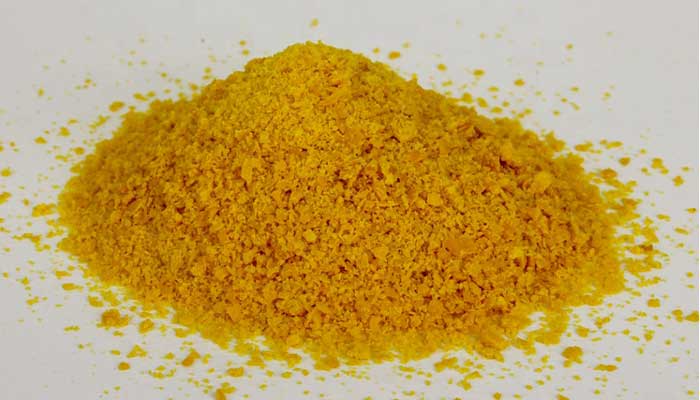
Sepahan Mehrara Andisheh Company, as a producer of polyaluminum chloride and chloroferric and a supplier of other chemicals, offers this coagulant chemical at a reasonable price and high quality to its valued customers. For information on Polyaluminum chloride price, call 03137779443.
?What is polyaluminum chloride
The most effective chemical used in the water and wastewater treatment industry is polyaluminium chloride, also known as PAC.
The chemical formula of polyaluminum chloride is Al2Cl(OH)5. This important compound is available in the form of an odorless solid powder. It is soluble in water and is available in both food and industrial grades. Polyaluminum chloride is a coagulant that is widely used in drinking water and wastewater treatment due to its high coagulation efficiency compared to other chemicals.
The most common and widely used coagulant chemicals for removing turbidity in water are ferric chloride and aluminum sulfate. Today, polyaluminum chloride is used as an alternative to those two coagulants.
Currently, polyaluminum chloride has become one of the most common coagulants used in water treatment in countries such as the United States, Canada, China, Italy, France, and the United Kingdom. In Iran, many industries have also used this material as an alternative to old coagulantsPolyaluminum chloride application and everything you need to know about it!
One of the most important steps in water and wastewater treatment is the coagulation of suspended colloidal particles.
Currently, PAC is the most common coagulant in water and wastewater treatment in European and American countries. In Iran, due to water shortages, the need to recover water in industries and communities is essential. Compared to other coagulants, PAC has a higher purity percentage, molecular weight, and coagulant properties. This material is supplied with a purity percentage of 10%-14% in liquid form and 30% in solid form. The use of PAC in treatment results in the formation of larger flocs and insignificant sediment amounts.
The residual aluminum level in the water is very low and at the end of the coagulation process, less contamination is left. Aluminum-based coagulants are an alternative to alum in water and wastewater treatment. They were introduced in the 1990s. These compounds, which are heavy inorganic polymers, have the general formula (Aln(OH)mCl(3n-m))x in the anhydrous (dry) crystalline state and are highly soluble in water.
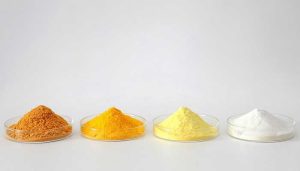
These polymeric coagulants are created in the following three combinations:
Polyaluminium chloride (PACl, n=2 and m=3),
Aluminium chlorohydrate (ACH, n=2 and m=5), and
Poly aluminium chlorohydrate (PACH): similar to ACH.
Unlike the more hydrated ACH, there is little difference between ACH and PAC in terms of water and wastewater treatment costs.
The polymerization factor for the numerical polymer chain length is between 12 and 18 molecules. In a homogeneous formulation, which is a factor of 15 for 95% of the molecules, the Al2O3 content will be between 26% and 31% and ideally 30% ± 1%. Unlike ACH, which has a higher water content.
There is little difference between ACH and PACI in terms of water and wastewater treatment. The polymerization factor for the numerical polymer chain length is from 12 to 18 molecules. In a homogeneous preparation, i.e. 15 times 95% of the molecules, the Al2O3 content is between 26 and 31%. Ideally, 30% ± 1%.
How to purify water with PAC
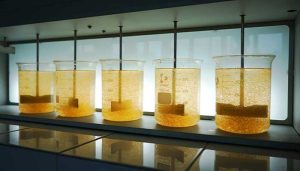
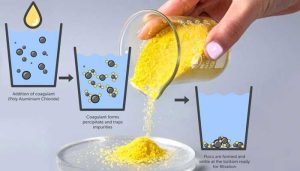
One of the most important uses of polyaluminum chloride is water purification. After these compounds enter the water, the flocs produced by these compounds in the water create a bridge between suspended and colloidal particles. These particles are connected with the help of flocs and gradually coagulate and will settle at the bottom of the treatment ponds due to their heavy weight. Polyaluminum chloride There is no temperature limit for water purification using these compounds and it is better to keep their pH range around 6.5 to achieve the best results.
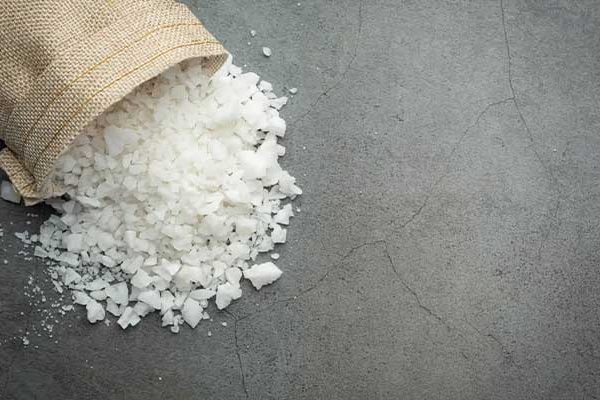
This material is in solid form (powder) with colors ranging from white to yellow. Polyaluminum is classified into different grades depending on its different functions. Its key features include purity, molecular weight, and its high efficiency in filtration.
?How many grades is this chemical produced in Andisheh Mehrara
Industrial pack (wastewater pack)
Edible or beverage pack (sanitary pack)
Industrial and drinking water clarification
Human and industrial wastewater clarification
Coal and activated carbon recovery from wastewater
Kaolin reprocessing from tile and ceramic factory wastewater
Use in pulp and paper, cellulose industries and health products
Wastewater clarification in various industries such as: paint, leather, food, foundry, mining, pharmaceutical, etc.
Separation of oil and grease in the oil, gas and petrochemical industries
Prevention of micelle formation in the food industry
Used in the sugar refining process
Catalyst carrier in chemical processes
Rapid cement setting in the construction industry
4 Features of Polyaluminum Chloride and its Other Benefits in the Papermaking Industry
High Efficiency
Hygienic
Reasonable Price
Ease of Use
This material has the following advantages in textile and papermaking:
Accurate measurement of cellulose fibers
Low fiber consumption in paper production
Softening of the paper surface
Easy drying
Higher strength
It is more effective than other coagulants in starch production due to the separation of water from starch.
?What are the advantages of polyaluminum chloride
High cationic charge
Very high effectiveness
Various ionic structures
Ability to use at low temperatures
Very high coagulation process strength
Ability to use at different pH levels
Hygienic, economical, easy to use
Less sludge production than other coagulants
Packaging and storage conditions and Polyaluminum chloride price
Store the pack in a dry, cool place, away from sunlight.
Protect this product from any physical damage and ensure it is sealed in the bag
Keep away from flammable sources and avoid lighting a fire around it
Avoid placing these materials near heat
This product is available in 25 kg packaging and jumbo bags.
Polyaluminum chloride harms and other safety issues
This substance is not toxic in low concentrations, but it is very harmful in contact with the eyes and skin.
Avoid swallowing and inhaling, due to poisoning and after-effects
When working with this chemical compound, avoid generating dust in the environment to minimize exposure.
Use a mask, gloves and protective glasses when working with chemicals
The dangers of PAC are not severe and if you come into contact with this substance, it will cause inflammation at the site of contact.
We will explain the dangers of PAC in more detail below:
If you come into contact with a high concentration of this substance, effects such as redness, itching, swelling, pain may occur.
If you swallow and eat this substance, the digestive system will be irritated and symptoms such as abdominal pain, nausea, vomiting and diarrhea may occur. Also, breathing this substance will irritate the respiratory system and symptoms such as coughing, shortness of breath, sore throat and runny nose. The industrial names of this product used in the market include the following:
Poly Aluminum Chloride (PAC)
Coagulant for water and wastewater treatment, aluminum chloride
Price of polyaluminum chloride at Andisheh Mehrara Sepahan
To buy polyaluminum chloride at a competitive and high-quality production price, you can contact our experienced experts at 03137779443. Andisheh Mehrara Sepahan Company is a manufacturer of yellow and white solid polyaluminum chloride. It also offers other chemicals such as chloroferric, liquid soda, perchlorine, water Javel, etc. at the best quality and price.
Summary
Polyaluminum chloride is an inorganic polymer, also known as PAC for short. This material is widely used in the oil and gas, papermaking, water treatment and wastewater treatment industries. To purchase and find out the price of high-quality polyaluminum chloride, contact the relevant sales expert

نقد و بررسیها
هنوز بررسیای ثبت نشده است.