
ferric chloride is a widely used chemical substance
what is ferric chloride and what is its use? Ferric chloride, which is also called iron (III) chloride, is a chemical compound with the chemical formula FeCl3. In its structure, this compound has one element of iron with the chemical formula Fe and three elements of chlorine with the chemical symbol Cl, and it is a widely used coagulant in the industry. In the following, you can check other uses of this material.
ferric chloride is also known by other names such as iron chloride, iron chloride, ferric chloride, ferric chloride, as well as liquid ferric chloride. This substance is hydrolyzed in water and is one of the most common coagulants in the water and sewage industry in the country. ferric chloride is solid and brownish-black in color. Its solution is colorless or brown, non-flammable and has an acidic smell. This substance is very corrosive and harms humans and the environment.
 Types of ferric chloride
There are different types of ferric chloride, which include:
Liquid ferric chloride
This type of ferric chloride acid is soluble and liquid, and its color is dark brown. This material has an acidic smell and is non-combustible. Also, this type of ferric chloride has six water molecules, that’s why it is called 6-water crystal.
Solid ferric chloride
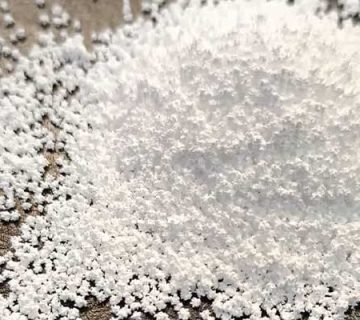
ferric chloride is solid, powdery and anhydrous. Also, the color of this orange material tends to be dark brown. is solid, powdery and anhydrous. Also, the color of this orange material tends to be dark brown.
ferric chloride production method
There are different methods to produce ferric chloride, the best method is to use scrap iron, hydrochloric acid and dry chlorine. In this method, these three materials are combined and reacted to become ferric chloride.
Its production should be free of any chemical substances, including color fat. If this substance is used to coagulate suspended particles in water, it causes chemical and organic pollution. As a result of this reaction and according to the temperature and conditions of the environment, the composition will be produced in powdery, crystalline and liquid ferric chloride.
What is the use of ferric chloride?
The most important application of ferric chloride is as a coagulant in water and wastewater treatment, which can eliminate suspended substances in it.
It can be used as a disinfectant.
It is used in the extraction of metals.
It is used in the paper industry.
It is a raw material in the pharmaceutical industry.
In the paint industry, it is used as a raw material for making pigments and various colors.
Controls unpleasant odors (especially in H2S removal).
Removes suspended particles on the water surface.
It is used to coagulate blood in slaughterhouses.
It is used to prepare electronic fibers and circuits.
This material is used in glass and ceramic industry.
Benefits of ferric chloride
Wide application of ferric chloride, high efficiency and favorable effectiveness are important features and advantages of this substance. Iron chloride is affordable, which makes it unique. Of course, the presence of these special features and benefits in this product compared to other coagulants is one of its high popularity.
 Physical and chemical properties of ferric chloride
ferric chloride exists in two forms, anhydrous salt and hydrated salt. The molar mass of the anhydrous salt is 162.204 and for the 6-hydrate form it is 270.295 g/mol. This substance is yellow in water and brown in solution. Iron chloride is seen in green color when light is reflected and it is present in red color when light is transmitted.
The density of ferric chloride in the water state is equal to 1.82 and in the waterless state it is equal to 2.90 g/cm3. The solubility of this substance is equal to 912 grams in one liter of water at a temperature of 25 degrees Celsius. ferric chloride has an odor similar to hydrochloric acid.
The waterless type of this substance dissolves at a temperature of 316 degrees and the amount of 830 grams of this substance dissolves in one liter of acetone, methanol, etc. solvents. The hydrated form of iron chloride boils at a temperature of about 280 degrees Celsius and then decomposes. The melting point of iron chloride in anhydrous and hydrated state is 307.6 and 37 degrees Celsius, respectively.
Complications and dangers of ferric chloride
This substance is acidic and corrosive, so safety precautions must be observed when using it. Consumption of ferric chloride leads to death.
Special gloves must be used when using this material, otherwise, if ferric chloride comes into contact with the skin, it will cause severe skin burns. When ferric chloride comes into contact with the eyes, it causes irreparable effects such as vision loss, burning and even blindness. Therefore, in case of contact, wash the eyes with water for a few minutes. If iron 3 chloride is swallowed and enters the digestive system, it is dangerous and causes severe poisoning.
Buying and selling and packing ferric chloride
Produced ferric chloride is supplied in bulk (carried by polyethylene tankers) or packaged in 220-liter barrels (with a weight of 305 kg per barrel), and delivering this liquid material in bulk will be more economical for customers. Was. Regarding the export of this material, the best packing method is 220 liter barrels.
Andishe Mehararai Sepahan Company operates as the only Manufacturer of polyaluminum chloride, the largest producer of ferric chloride and a supplier of various other chemical products in Iran.
You can contact our experts with the contact numbers listed on the site for inquiries, price lists and advice on purchasing products.
The price of iron chloride
This substance exists in the form of powder 98% and liquid 40%. The price of this material varies according to its type. Liquid ferric chloride acid is produced in Andisheh Mehrara company and has 35% of the market volume. To inquire about the price, contact our experts at Amas company. The liquid type of this solution is not produced in Iran due to unique storage conditions, and Andishe Mehararai Sepahan Company is the producer Ferric Chloride. Due to the difficult storage conditions and the price of its solid type, consumers use its liquid type.

No comment